-

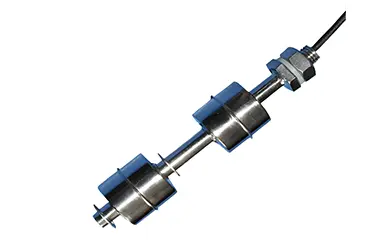
A vertical liquid level sensor is a float-based level detection device installed from the top or bottom of a tank. It is commonly used to detect whether the liquid has reached a specific high or low point inside the container. In many applications, it is also called a vertical level sensor, vertical float switch, or vertical liquid level switch.
The basic structure is simple: a float moves along a vertical stem as the liquid rises or falls. Inside the stem, a reed switch changes state when the magnetic float reaches the preset position. This allows the sensor to send a stable on/off signal to a controller, relay, alarm, pump, or other equipment.
Vertical liquid level sensors are widely used in water tanks, open tanks, fuel reservoirs, water heaters, humidifiers, coolant tanks, HVAC systems, and industrial liquid containers.
A vertical open tank liquid level switch is often selected when the tank has easy top access and the liquid level must be detected from above. Open tanks, storage vessels, and equipment reservoirs usually provide enough vertical space for installation, making a top-mounted float switch convenient and reliable.
This design is useful because it allows the sensor to monitor the required level without complicated tank wall modification. The sensor can be installed through a top hole or threaded port, while the float moves freely with the liquid surface.
Common open tank applications include:
| Application | Typical Sensor Function |
| Water storage tanks | High-level or low-level alarm |
| Humidifiers and appliances | Water shortage detection |
| Water heaters | Liquid presence confirmation |
| Fuel and diesel tanks | Low-level warning |
| Industrial chemical tanks | Overflow or empty-tank protection |
| HVAC reservoirs | Pump protection and water level control |
| Coolant expansion tanks | Fluid shortage detection |
For OEM systems, vertical sensors are especially attractive because they offer a direct and easy-to-understand signal. The controller does not need to interpret a complex analog output if only a high/low alarm is required.
A vertical liquid level switch works through magnetic actuation. The float contains a magnet, and the stem contains a reed switch. When the liquid level changes, the float moves up or down along the stem. Once the float reaches the switching point, the magnet activates the reed switch.
Depending on the design, the switch may be normally open or normally closed. Some configurations can also provide SPDT output for more flexible control.
The working principle is reliable because the reed switch is sealed inside the stem and does not directly contact the liquid. This helps reduce corrosion risk and supports long-term operation in many fluid control applications.
When selecting a vertical level sensor, buyers should not only focus on price. The sensor must match the tank structure, liquid type, electrical load, and control logic.
The stem length should match the required detection point. A short sensor may be suitable for small appliances, coffee machines, humidifiers, and compact reservoirs. A longer stem may be required for deeper industrial tanks or large water storage systems.
The mounting direction also matters. Top-mounted sensors are common for open tanks, while bottom-mounted sensors may be used in specific designs where wiring and assembly are easier from below.
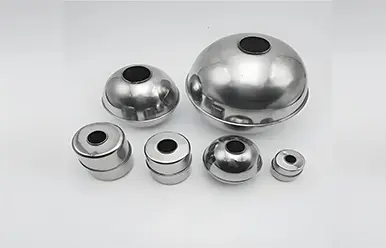
Material compatibility is critical. Plastic floats may work well with water or mild liquids. Stainless steel floats are usually preferred for higher durability, temperature resistance, or more demanding industrial fluids.
For oil, fuel, coolant, detergent, or chemical liquids, the float material should be checked carefully. Incorrect material selection can lead to swelling, leakage, sticking, or inaccurate switching.
A vertical liquid level sensor can be designed with different switch logic:
| Switch Type | Typical Use |
| Normally Open | Signal closes when liquid reaches the set level |
| Normally Closed | Signal opens when liquid reaches the set level |
| SPDT | Supports more flexible high/low control logic |
For safety-related systems, fail-safe logic should be considered. For example, low-level protection for pumps may require a different signal logic than overflow detection.
Some sensors only send a low-power signal to a controller. Others may be used with relays, alarms, or higher-load circuits. Before selection, confirm switching voltage, current, power, and whether the sensor is connected to a PLC, control board, relay, or direct load.
For OEM production, cable length, connector type, wire direction, thread size, and housing shape can affect assembly efficiency. A customized sensor can reduce installation time and make the final product more stable.
A vertical float switch is usually a point-level device. It tells the system whether the liquid is above or below a certain point. A continuous level sensor, on the other hand, provides real-time measurement across a range.
| Requirement | Better Choice |
| High-level alarm | Vertical liquid level sensor |
| Low-level pump protection | Vertical liquid level switch |
| Exact tank level percentage | Continuous level sensor |
| Simple on/off signal | Vertical level sensor |
| Real-time analog output | Continuous level transducer |
For many water tanks, appliances, and industrial reservoirs, point-level detection is enough. If the system only needs to start a pump, stop a heater, or trigger an alarm, a vertical liquid level switch can be more economical and easier to integrate.
BST Sensor offers vertical liquid level sensors for different tank sizes, materials, switching requirements, and OEM installation conditions. Options can include different stem lengths, plastic or stainless steel materials, normally open or normally closed logic, SPDT designs, cable customization, and connector customization.
For manufacturers, the biggest value is not only buying a sensor, but selecting the right structure for the actual tank. A small change in float size, mounting thread, cable direction, or switch logic can make the sensor easier to install and more reliable in the final product.
A vertical liquid level sensor is a simple, reliable, and cost-effective choice for open tanks, water tanks, appliances, fuel reservoirs, and industrial liquid containers. It is especially useful when the system needs a clear high-level or low-level signal rather than continuous measurement.
For applications requiring a vertical open tank liquid level switch, vertical level sensor, or customized vertical float switch, BST Sensor can provide model selection and customization support based on tank structure, liquid medium, electrical requirements, and OEM assembly needs.
 Related BST Position Sensors