-

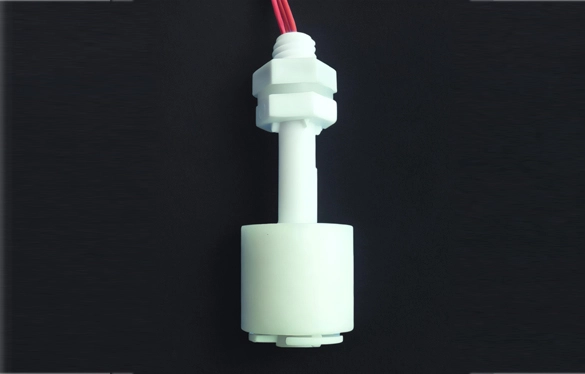
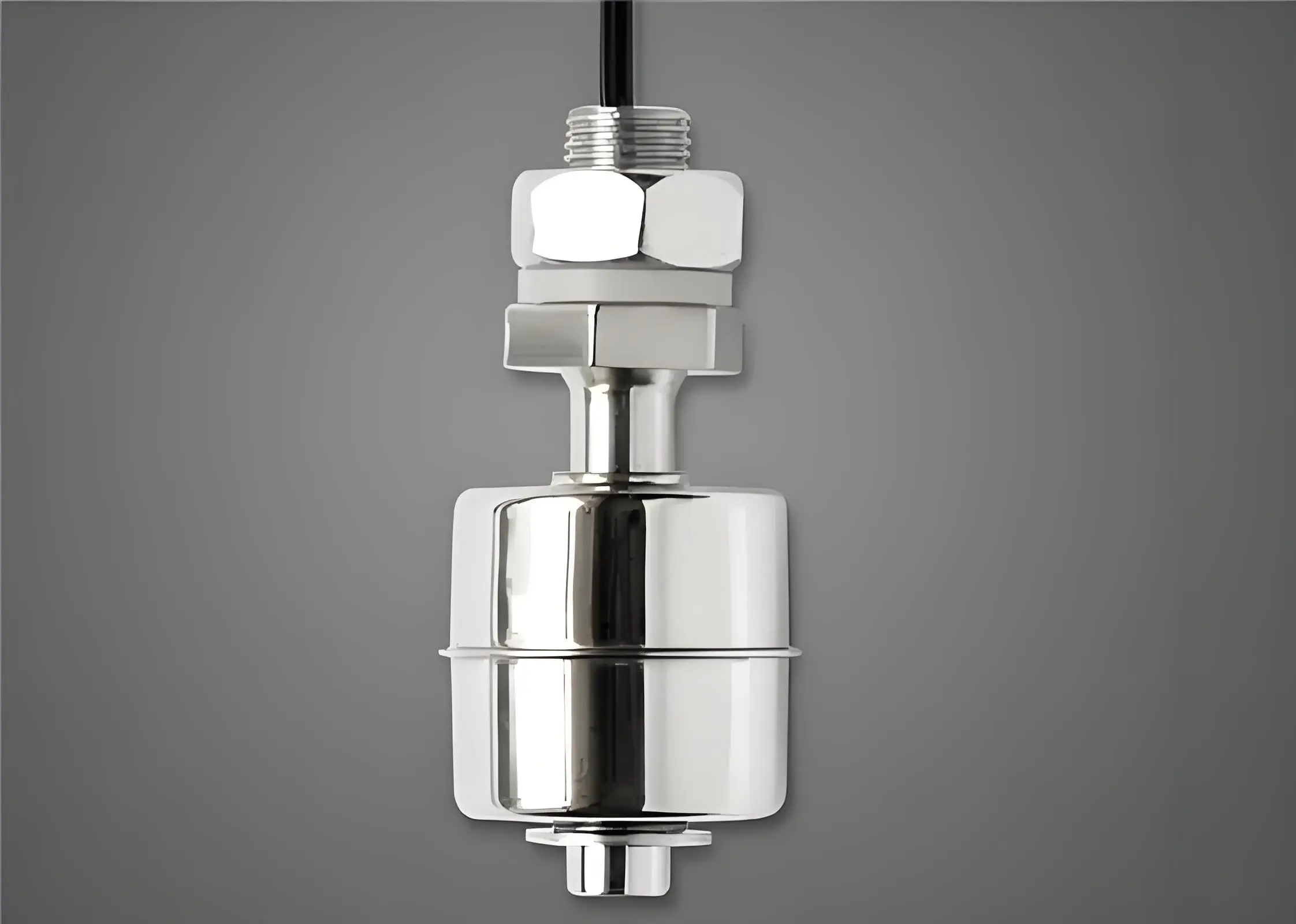
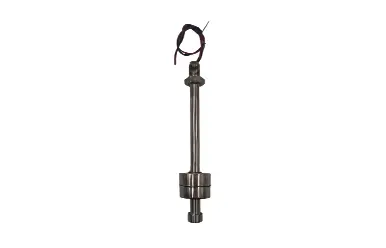
A vertical level sensor, also called fluid sensor or float switch, is a mechanical device that monitors liquid levels inside a container. In typical applications, a vertical water level sensor is to trigger an action when the liquid reaches a certain level.
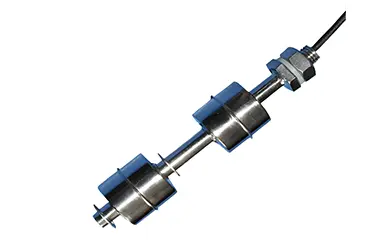
Vertical liquid level sensors are made up of two main components: a center tubed magnetic float and a reed switch. Both the float and the reed are operated by magnets. When the float reaches a predetermined level, the reed switch reacts by closing or opening.
Standard Model | Stem Length (mm) | Voltage | Switch Type | Default Configuration & Primary Application |
BF1-030-LA | 30 | Low | NO (A) | Standard part: PP Float, M8 Thread. Compact Devices: Small water tanks, humidifiers,coffee makers. |
BF1-045-LA | 45 | Low | NO (A) | Standard part: PP Float, M8 Thread. Automotive/Appliance: Coolant expansion tanks, residential water heaters. |
BF1-060-LA | 60 | Low | NO (A) | Standard part: PP Float, M8 Thread. General Purpose: Medium-depth containers,oil reservoirs. |
BF1-100-LA | 100 | Low | NO (A) | Standard part: PP Float, M8 Thread. Universal Industrial: Most common size for tanks, HVAC systems. |
BF1-150-LB | 150 | Low | NC (B) | Standard part: NBR Float, M12 Thread. Low-Level Alarm: Ideal for fuel, diesel, or lubricant tanks where a closed-circuit alarm is needed. |
BF1-200-LC | 200 | Low | SPDT (C) | Standard part: PP Float, M12 Thread. Dual Control: Single sensor for high/low level control (pump start/stop). |
BF1-100-HA | 100 | High | NO (A) | Standard part: SS Float, M12 Thread. High Voltage Direct Control: For switching pump motors or heaters directly (up to 1000V). |
BF1-150-HA | 150 | High | NO (A) | Standard part: SS Float, M12 Thread. Deep Tank HV Control: High voltage switching in deeper tanks. |
BF1-250-LA | 250 | Low | NO (A) | Standard part: SS Float, M16 Thread. Deep Tank Monitoring: Industrial chemical tanks, large water storage. |
BF1-300-LA | 300 | Low | NO (A) | Standard part: SS Float, M16 Thread. Maximum Reach: For very deep vessels. |
Vertical liquid level sensors are specialized devices designed to monitor and detect the level of liquids inside tanks, reservoirs, vessels, or containers. Unlike horizontal or side-mounted options, these sensors are installed in a vertical orientation, typically from the top or bottom of the tank. This mounting style makes vertical liquid level sensors particularly suitable for applications where side access is limited, space is constrained, or the tank design favors top/bottom entry points. They provide reliable point-level detection—such as high/low alarms—or, in multi-float configurations, multi-point monitoring, helping prevent overflows, dry runs, or maintain optimal fluid levels in various systems.
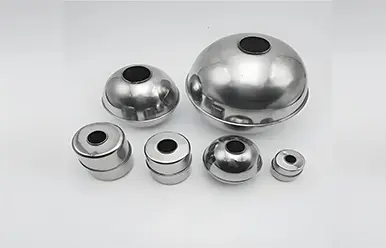
The core operation of most vertical liquid level sensors relies on a buoyant float mechanism. A float, often doughnut-shaped or cylindrical, is mounted on a stationary vertical stem (or guide rod) that extends into the tank. As the liquid level rises or falls, the float moves correspondingly along the stem due to buoyancy. Inside the stem, one or more hermetically sealed reed switches are positioned at specific heights. The float contains a small permanent magnet that, when aligned with a reed switch as the liquid level changes, actuates the switch magnetically—closing or opening an electrical circuit without any direct mechanical contact. This non-contact magnetic interaction ensures high reliability, minimal wear, and suitability for a wide range of liquids, including water, oils, chemicals, and corrosive fluids. The output signal from a vertical liquid level sensor can trigger alarms, pumps, valves, or control systems for automated responses.
Vertical liquid level sensors come in several variations to suit different needs. The most common are vertical liquid level switches, which feature a simple stem-and-float design for single-point or multi-point detection of high or low levels. These are available in durable materials like stainless steel for harsh or chemical environments, or plastics for cost-effective use with water and milder fluids. For water-specific applications, a vertical water level sensor is often chosen due to its compatibility with potable or clean water systems. Another prevalent type is magnetic-based vertical sensors (often called reed switch float sensors), where the float's embedded magnet interacts with internal reed switches to provide precise on/off signaling. These are highly reliable due to their sealed, contactless operation and can be configured as normally open (NO) or normally closed (NC) by inverting the float or mounting orientation. In open-tank setups, a vertical open tank liquid level switch is frequently used for straightforward top or bottom mounting without enclosed pressure considerations. Some advanced models support multiple floats on a single stem for multi-level monitoring, while others incorporate features like baffles to reduce switch chatter from turbulence. Vertical designs generally excel in clean to moderately viscous liquids and are less ideal for extremely turbulent or foam-heavy applications without stabilization.
In the automotive sector, vertical liquid level sensors monitor fluid levels in fuel tanks, coolant reservoirs, and oil systems to ensure safe operation and prevent failures. The medical field employs them in diagnostic equipment, dialysis machines, and other devices requiring precise liquid management. Industrial settings rely heavily on vertical level sensors for tanks, boilers, chemical storage, wastewater treatment, and process control systems where accurate fluid oversight is essential for safety and efficiency. Additional common uses include water treatment plants, HVAC systems, food and beverage processing (for non-contact hygienic needs), sump pumps, and agricultural irrigation tanks—often with a vertical water level sensor or vertical liquid level switch tailored for water-based applications. Their ability to handle various liquids—from potable water to aggressive chemicals—combined with options for high-pressure or high-temperature environments, makes vertical liquid level sensors versatile for both point-level alarms and basic control tasks.
Vertical liquid level sensors’ simple mechanical design with few moving parts results in high reliability, long service life, and low maintenance requirements. Installation is straightforward, often requiring just a threaded port at the top or bottom of the tank, which saves space compared to side-mounted alternatives. Many models are cost-effective, require no external power for basic switching (passive reed switch operation), and provide consistent performance across a broad range of temperatures, pressures, and fluid types. The magnetic actuation eliminates electrical contact wear and seals the switch from the liquid, enhancing durability in corrosive or contaminated environments. They also handle viscous or dirty fluids better than some non-contact options in certain cases, making a vertical liquid level switch a dependable choice for demanding setups.
What's the advantage of a vertical liquid level sensor?
Non-powered, reliable, direct indication, relatively inexpensive, various outputs
Can BST make explosion proof liquid level sensor?
Yes, ATEX certified.
What's the output of a liquid level sensor?
Analog or digital, depends on customer's needs.
 Leave a Message