-
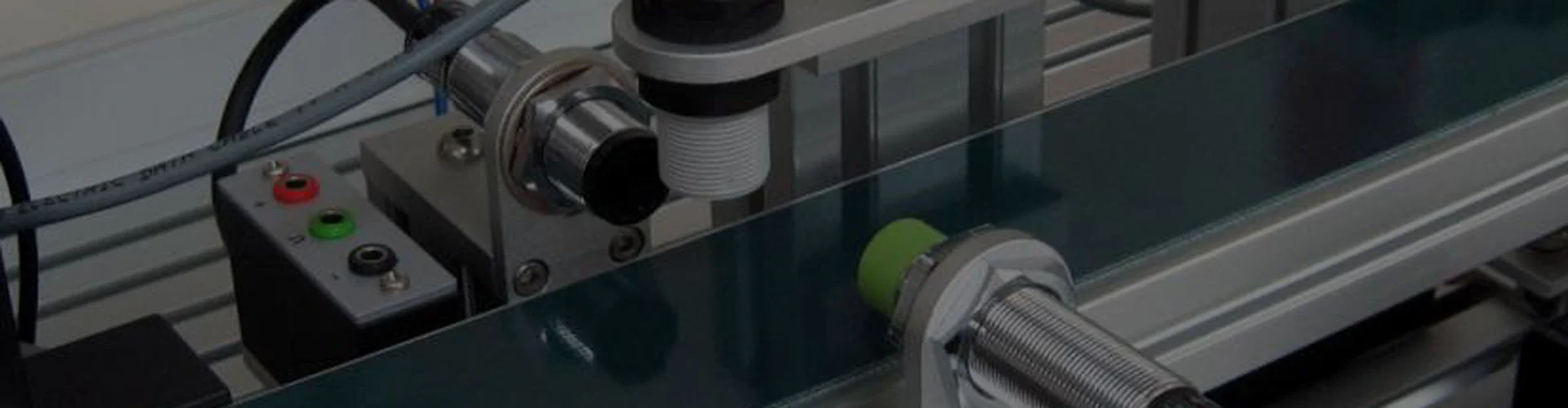
Flow switches are essential devices in industrial automation, designed to monitor and regulate the flow rate and pressure of liquids, air, or other gaseous media passing through ducts, systems, or loops. These devices can track flow over a defined period or provide continuous monitoring to maintain optimal system performance. Unlike flow meters or indicators, which primarily display flow data, true flow switches actively control system components, such as pumps, to adjust flow and pressure to pre-set levels, thereby improving efficiency and safety across various industrial applications.
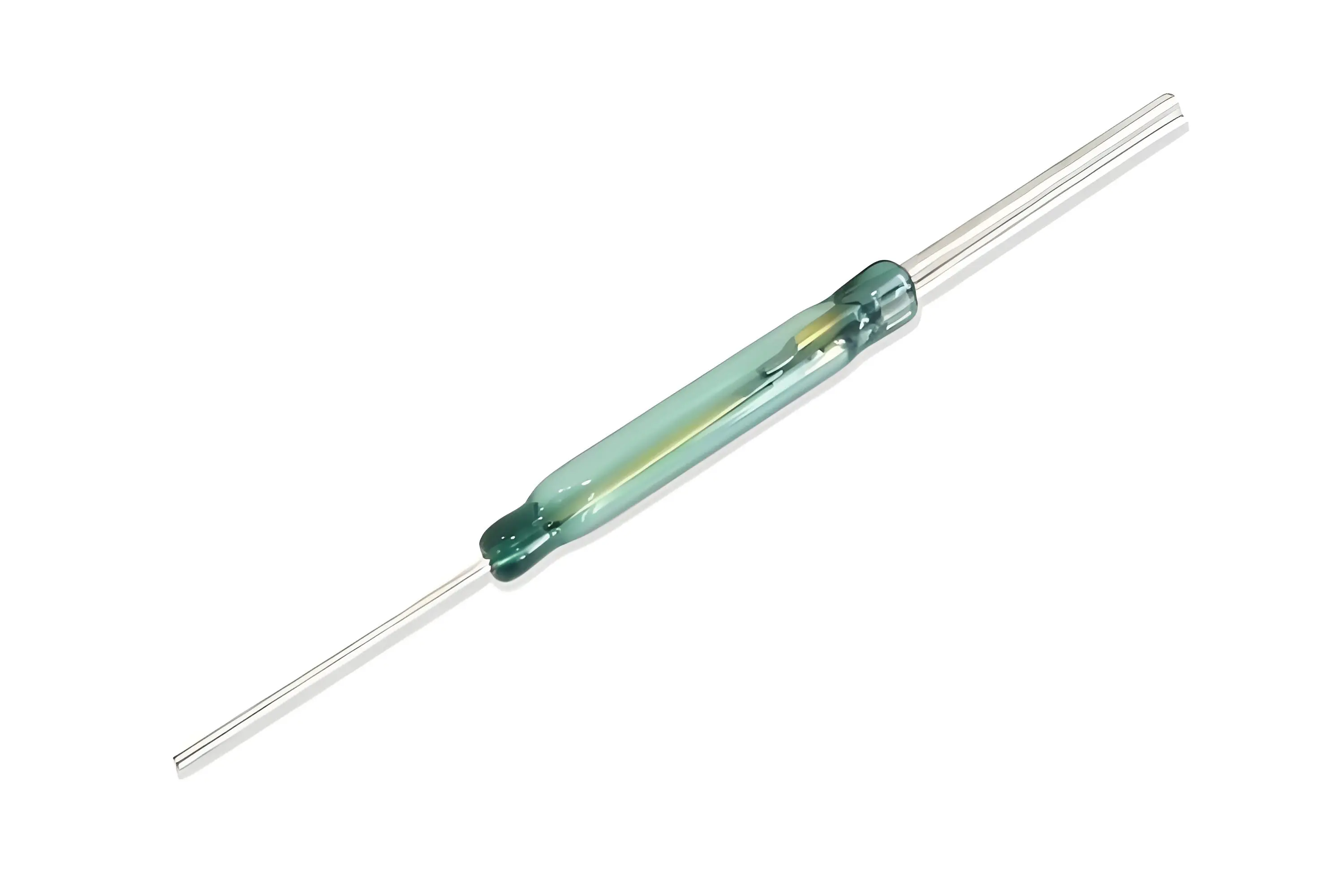
The operation of a flow switch relies on a system of interconnected components that monitor and manage flow. A primary element, typically a paddle or magnetic trigger, is positioned within the flow path to interact with the liquid or gas. This interaction produces a signal that is sent to a transducer, which converts it into a format suitable for further processing. The transducer then relays this information to a transmitter, which evaluates it against predetermined parameters and initiates actions such as activating alarms, starting or stopping pumps, redirecting flow, or shutting down specific system sections to maintain desired flow conditions. Non-intrusive options, such as ultrasonic flow switches, measure flow by reflecting signals off the medium, making them suitable for hazardous or contaminated substances. Simpler variable area flow sensors, on the other hand, use a tapered tube with a float to measure or control flow, particularly effective for conductive media.
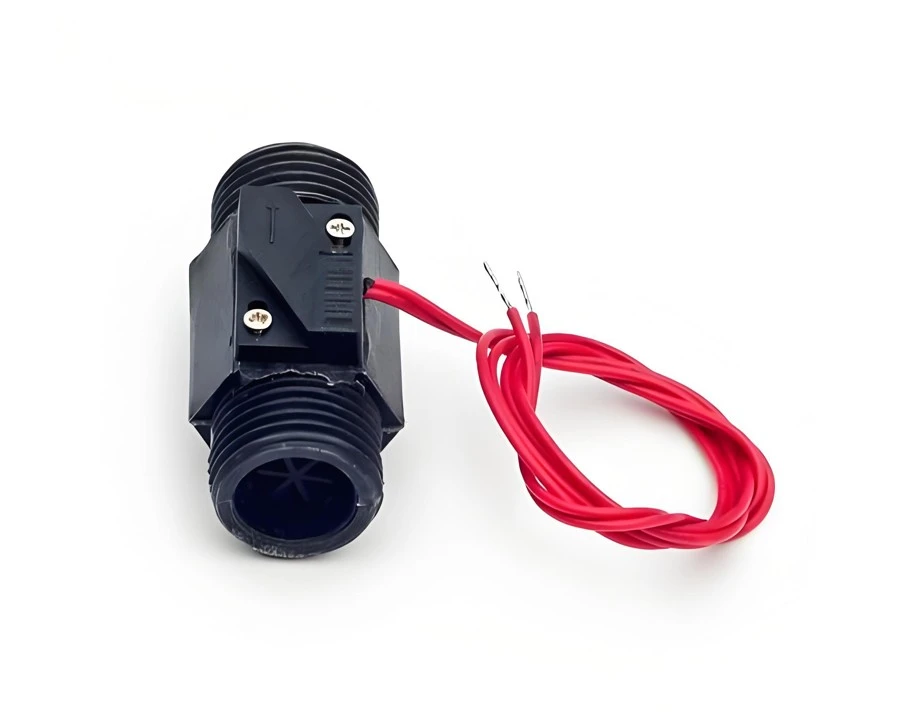
Proper installation of a flow switch depends on its type and intended use, as different switches require specific methods. Generally, switches such as plastic flow switch should be installed in straight sections of pipe or duct, with sufficient straight pipe—ideally ten times the pipe’s diameter—before and after the switch to ensure stable flow. Placing the switch away from bends, valves, or fittings minimizes flow disruptions that could impact performance. Testing a flow switch also varies by type and purpose. Often, functionality can be confirmed by observing whether the switch triggers appropriate actions when flow starts or stops. For more precise diagnostics, an ohmmeter can measure the switch’s electrical resistance to verify a completed circuit during activation. Regular testing is vital, particularly for switches in critical safety systems like fire sprinklers, where periodic checks may be legally required to ensure reliability.
Flow switches are available in various types, each designed for specific applications involving linear, nonlinear, volumetric, or mass flow measurements of liquids or gases. Choosing the correct type is critical, as no single flow switch suits all purposes. Understanding the application’s requirements ensures optimal performance. BST Sensors provides a diverse range of flow switches, each engineered to address specific flow measurement challenges in industrial environments.
Water flow switches typically employ a physical or ultrasonic paddle to measure flow within a channel, transmitting the paddle’s movement speed to a transducer, which converts it into a signal or action via a transmitter. These switches are crucial for applications like water pumps and sprinkler systems, where precise flow control is necessary. Water pump flow switches automatically adjust pump speed or volume to maintain system pressure, preventing damage from low flow or dry running. Sprinkler flow switches, vital for fire safety, detect excessive flow to indicate sprinkler activation, often incorporating delay timers to avoid false alarms. Magnetic water flow switches, based on Faraday’s Law of Electromagnetic Induction, generate a magnetic field to measure flow, requiring conductive liquids such as those found in wastewater systems. Inline water flow switches, integrated permanently into systems, offer reliable performance with minimal straight pipe requirements, while paddle water flow switches, though effective, require regular maintenance due to their sensitivity to debris and wear.
Air flow switches are essential for applications such as air filtration, duct heating, and exhaust venting, available in mechanical or non-intrusive forms. In HVAC and ducting systems, paddle-type air flow switches trigger actions like air handling or fan monitoring when flow exceeds or falls below set thresholds. Boiler air flow switches ensure safe venting of waste gases before ignition, preventing operation if fans or flues are blocked. Inline air flow switches, embedded within ducts, provide consistent monitoring with low maintenance, while paddle air flow switches rely on physical movement to detect flow changes, addressing the specific demands of gas and air flow in industrial settings.
Paddle flow switches are mechanical devices that respond to the pressure of the medium, typically liquid, flowing through a duct. A small metal or plastic strip, connected to a spring or magnets, moves with the flow, completing a circuit to trigger actions like alarms. These switches are dependable but require regular maintenance due to wear from continuous movement, making them suitable for systems where physical contact with the medium is acceptable.
Thermal dispersion flow switches, solid-state devices without moving parts, measure flow by heating a sensor probe and determining how quickly the flowing medium carries away heat. The energy needed to maintain the probe’s temperature provides precise flow rate data, making these switches versatile for both low and high flow rates. Their robust design and straightforward installation make them well-suited for demanding industrial applications.
Oil flow switches, available in paddle or thermal configurations, are engineered to handle the aggressive properties of fuels and oils, operating effectively at higher temperatures with durable seals. These switches ensure reliable flow monitoring in systems dealing with viscous or corrosive liquids, providing resilience in challenging conditions.
Ultrasonic flow switches, a popular non-intrusive option, are clamped to the exterior of a pipe and use the Doppler effect to measure flow by reflecting signals off particulates or bubbles in the medium. They are ideal for wastewater or other “dirty” media but less effective for clean liquids like drinking water and require compatible pipe materials to prevent signal interference.
Mechanical flow switches use moving parts, such as paddles, to complete a circuit and initiate actions based on flow changes. While reliable, they need regular maintenance due to wear, especially in high-flow or contaminated environments.
PVC flow switches, typically mechanical and vane- or magnetic-based, offer a cost-effective solution for visual flow confirmation. Their durable, corrosion-resistant construction and compatibility with various chemicals make them easy to maintain, ideal for simple applications.
Industrial flow switches are robustly designed to manage high volumes, pressures, and aggressive or hazardous materials. Often avoiding magnetic components to handle water with rust or particulates, they are built for durability in heavy-duty industrial environments.
Calorimetric flow switches employ two temperature sensors—one heated and one monitoring ambient temperature—to calculate flow based on the heat difference. Faster flow results in a smaller temperature difference, providing accurate flow data for diverse applications.
Pneumatic flow switches regulate air passage through valves or relays, bleeding pressure when flow falls too low or maintaining pressure differentials in ducting systems, offering versatility for air-based applications.
Adjustable flow switches allow users to recalibrate flow settings without disassembling the unit, typically by adjusting the sensitivity of a vane or paddle with a screwdriver, providing flexibility in dynamic systems.
Rotary flow switches, resembling small turbines, measure flow as liquid passes over a multi-bladed wheel, available in impeller, piston, or paddlewheel designs. They deliver reliable flow data for liquid-based systems.
Flow switches are designed for automatic operation, and their use depends on their specific role within a system. Recognizing when they fail to perform as expected is key to understanding their function. In boilers, water flow switches prevent operation during low-flow conditions, while gas flow switches ensure safe venting before ignition. Pump flow switches protect against dry running by cutting power during low flow, and shower pump flow switches maintain water pressure by activating pumps when demand arises. Heat and pool pump flow switches prevent damage in low-flow scenarios, particularly in spas or swimming pools. Sump pump flow switches prevent overflow and protect non-submersible pumps, while hot tub flow switches guard against overheating due to flow failures. High-temperature and high-pressure flow switches manage extreme conditions in industrial systems, and sanitary flow switches, often stainless steel, ensure hygiene in food, pharmaceutical, or medical applications. Chiller flow switches protect cooling systems from freeze damage, supporting air-cooling and equipment chilling.
Choosing the appropriate flow switch size and voltage is essential for compatibility with a system’s duct or pipe. Common sizes include 1-inch, 2-inch, and 4-inch flow switches, designed for corresponding pipe diameters. The 24-volt flow switches, available in paddle, rotary, or electromagnetic designs, support a wide range of gas and liquid applications, ensuring seamless integration into various systems.
 Related BST Position Sensors