-

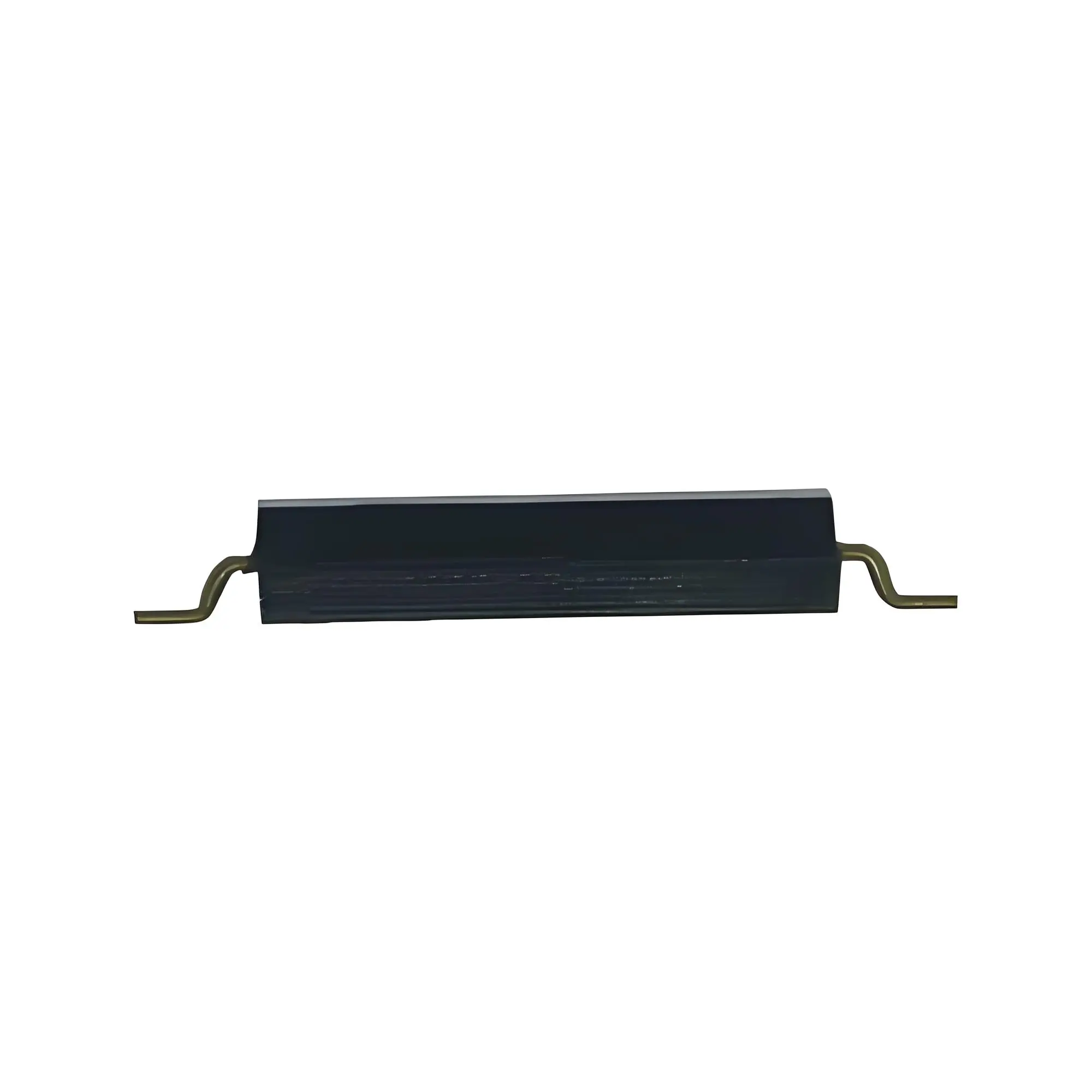
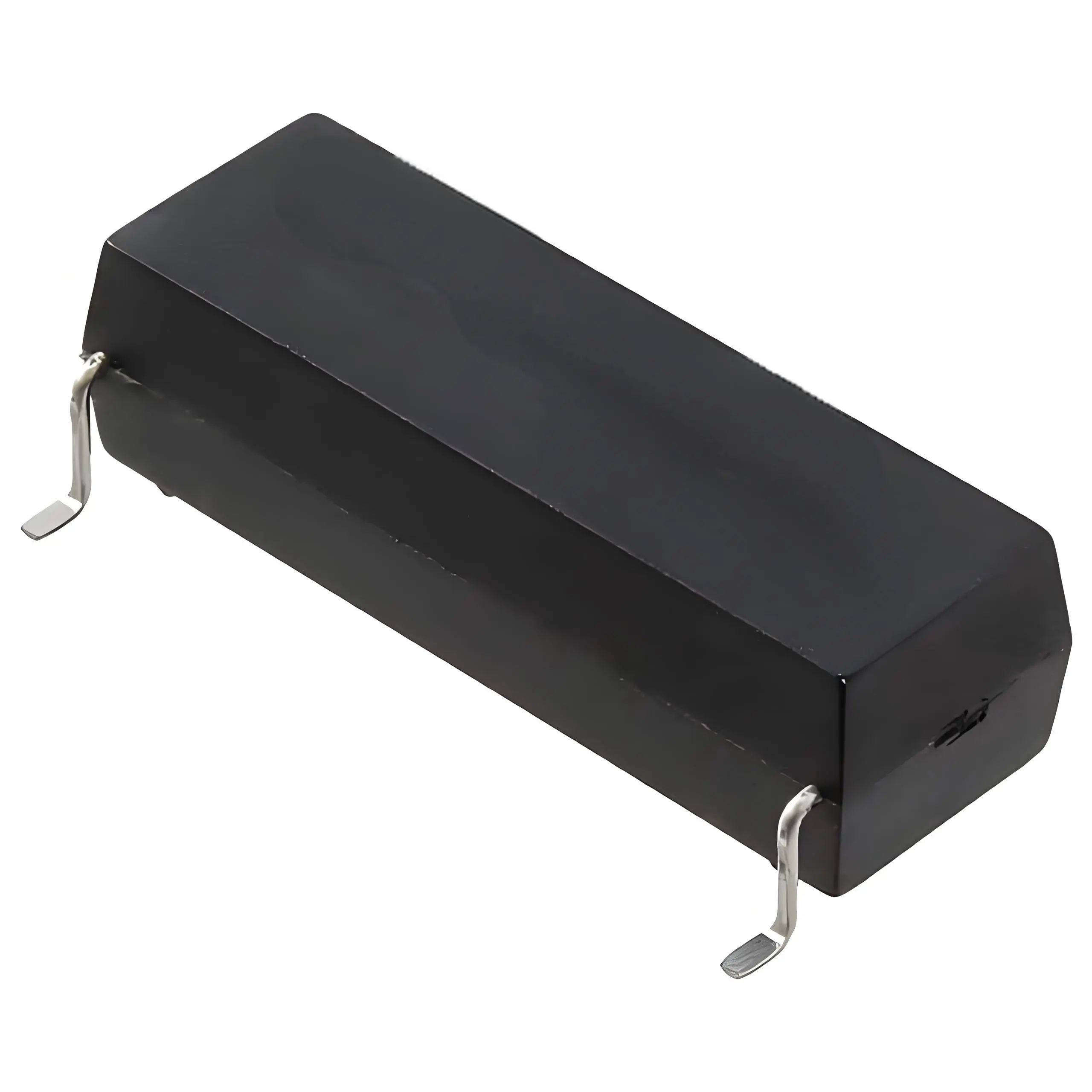
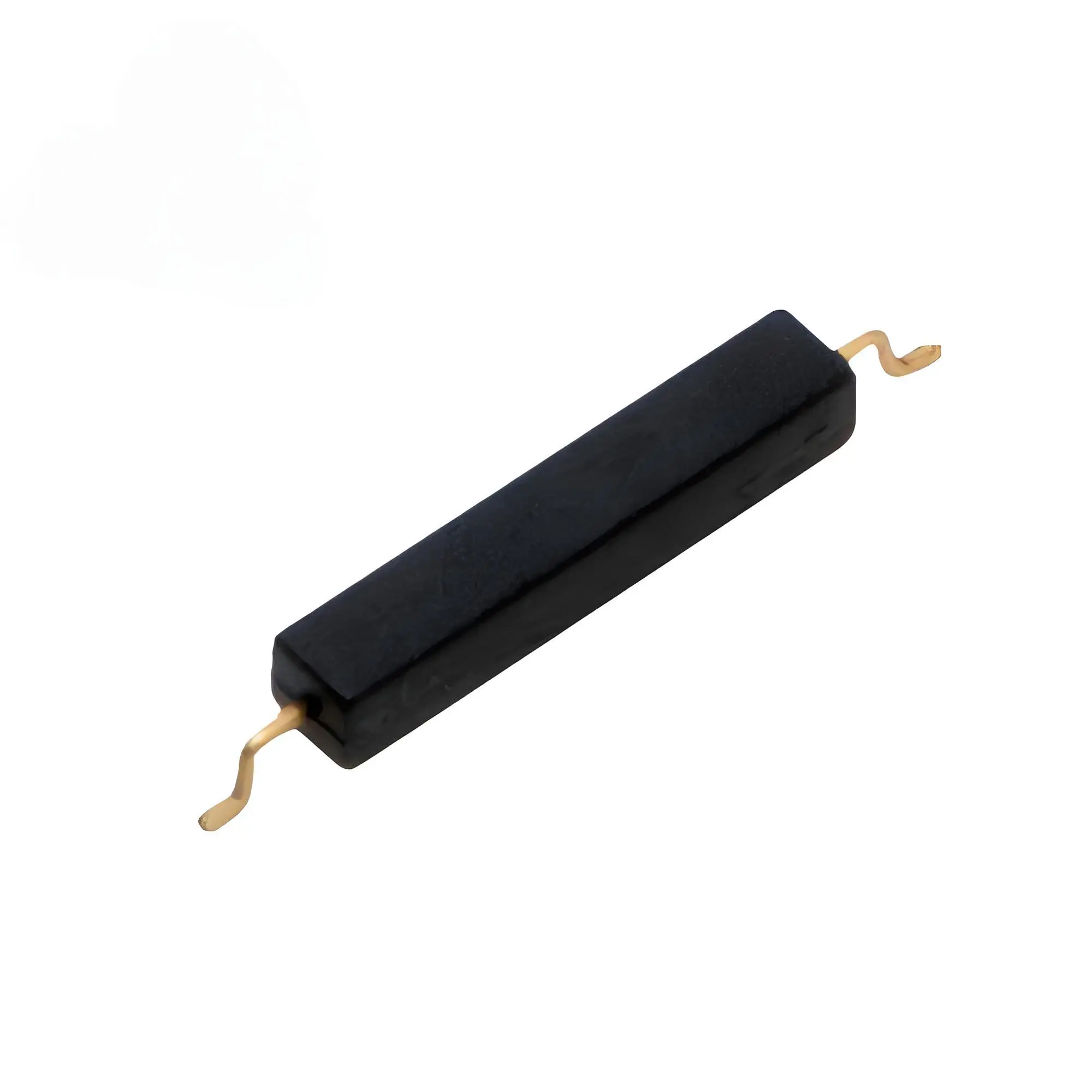
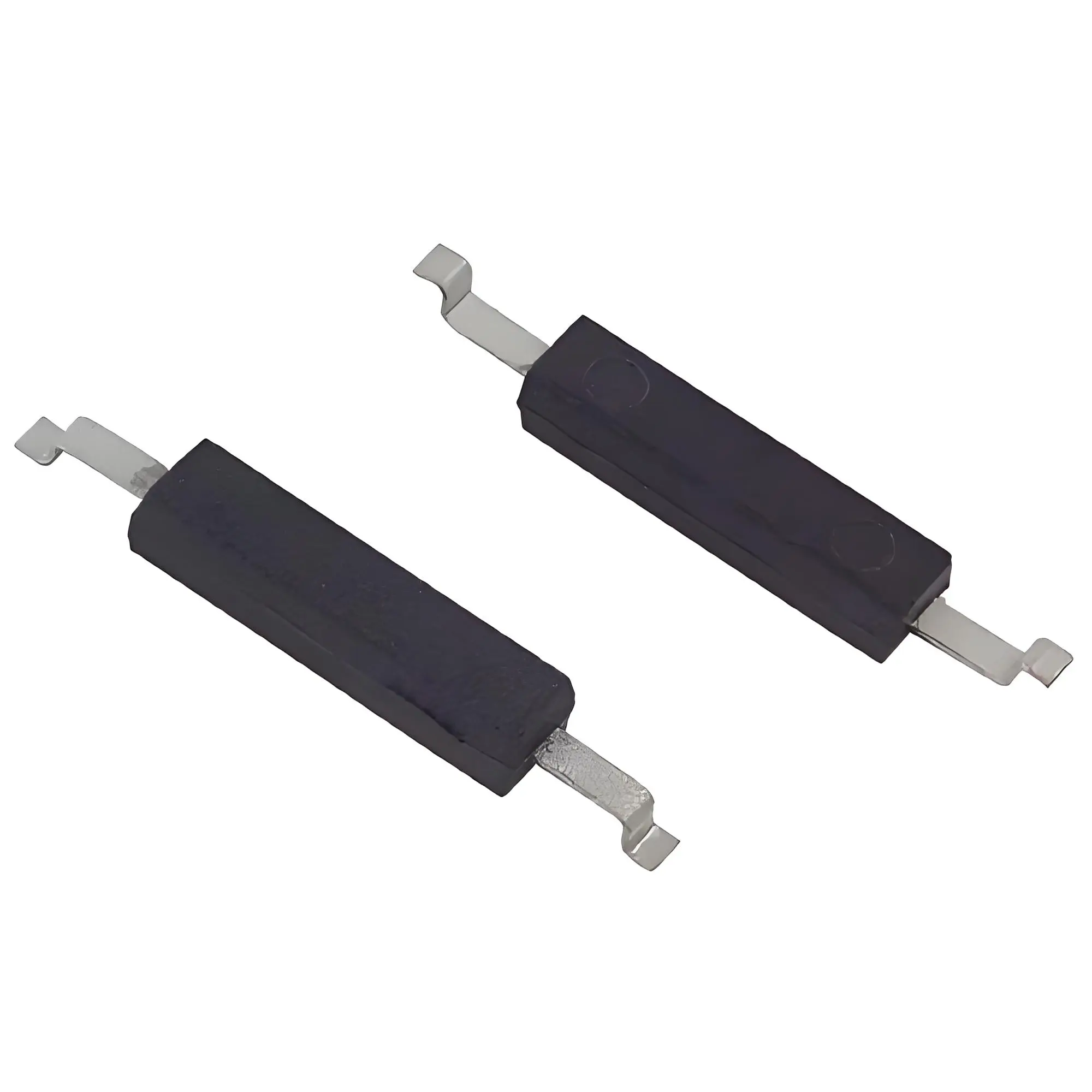
BST SMD Reed Sensor (BP4 Series) is a surface-mount magnetic proximity sensor designed for compact electronic devices and PCB-based applications.
Based on reed switch technology, it offers reliable switching performance, zero standby power consumption, and excellent long-term stability.
With its miniature SMD package, BP4 series is ideal for space-limited designs, enabling direct PCB mounting through reflow soldering. Multiple sensitivity options are available to meet different magnetic sensing requirements.
| Part Number | Contact Configuration | Operate Range | Contact Rating | Switching Voltage | Switching Current | Body Size (mm) | Special Feature |
| BP4-018-A-J | SPST-NO | 66~114 AT | 10 W | 200 V | 1.0 A | 18.00*2.50*3.75 | J Bend |
| BP4-018-B-J | SPST-NC | 42~84 AT | 10 W | 100 V | 0.5 A | 18.00*3.70*3.40 | J Bend |
| BP4-016-A-G | SPST-NO | 37~59 AT | 10 W | 180 V | 0.5 A | 16.00*2.50*2.50 | Gull Wing Short |
| BP4-016-A-A | SPST-NO | 45~80 AT | 10 W | 180 V | 0.5 A | 16.00*2.50*2.50 | Axial |
| BP4-011-A-A | SPST-NO | 10~15 AT | 20 W | 200 V | 0.4 A | 11.60*2.30*2.30 | Axial |
| BP4-011-A-G | SPST-NO | 20~47 AT | 20 W | 200 V | 0.4 A | 11.60*2.30*2.30 | Gull Wing Short |
| BP4-008-A-G | SPST-NO | 38~54 AT | 10 W | 100 V | 0.5 A | 8.50*2.10*2.10 | Gull Wing Short |
| BP4-008-A-J | SPST-NO | 50~66 AT | 10 W | 100 V | 0.5 A | 8.50*2.10*2.10 | J Bend |
| BP4-008-A-A | SPST-NO | 44~60 AT | 10 W | 100 V | 0.5 A | 8.50*2.10*2.10 | Axial |
Ultra-compact SMD package for PCB mounting
No standby power consumption
High reliability and long mechanical life
Fast switching response
Compatible with standard reflow soldering processes
Multiple magnetic sensitivity options
Wide operating temperature range
Suitable for high-density electronic assemblies
RoHS & REACH compliant
An SMD (Surface-Mount Device) proximity sensor is a compact, non-contact sensor designed to detect the presence, absence, or movement of nearby objects without any physical contact. The "SMD" designation indicates its surface-mount packaging, which enables it to be soldered directly onto the surface of a printed circuit board (PCB). This design makes SMD proximity sensors particularly well-suited for space-constrained applications in modern electronics, where minimizing size and optimizing board layout are essential.
SMD proximity sensors utilize different sensing technologies based on the specific application and the type of object being detected. Common varieties include reed switches, which are magnetically actuated devices that open or close electrical contacts in response to a nearby magnetic field and are frequently used for straightforward on/off detection of magnets or ferrous objects. Hall effect sensors, another widely used type, are solid-state devices that sense changes in magnetic fields, offering precise detection of magnetic objects or positional changes without any moving parts. Infrared (IR) sensors operate optically by emitting infrared light and measuring its reflection from nearby surfaces, allowing them to detect both metallic and non-metallic objects. In addition, other variants such as capacitive sensors are also available in SMD packages, expanding the range of materials that can be reliably detected.
These surface mount proximity sensors are extensively used across multiple industries due to their versatility and compact nature. In consumer electronics, they appear in devices such as smartphones, where they enable features like automatic screen shutoff during phone calls, as well as in wearables. In automotive systems, they support functions like position detection and sensing for lids or doors. Industrial automation also relies heavily on them for tasks such as monitoring equipment status and detecting objects within compact assemblies. Overall, SMD proximity sensors perform exceptionally well in situations that demand dependable, non-contact detection in confined spaces.
One of the primary benefits of SMD proximity sensors is their compact size, which allows for seamless integration into miniaturized devices and densely populated printed circuit boards. Many designs also feature low power consumption, making them especially suitable for battery-powered applications where energy efficiency is critical. Furthermore, their non-contact operating principle enhances durability and reliability by eliminating mechanical wear, leading to a longer service life and stable performance even under challenging environmental conditions.
Read more reed sensor related blogs:
| What Is a Reed Sensor |
| How Does a Reed Switch Work |
| Reed Switch Vs Hall Effect Sensor |
| Reed Switch Reliability |
 Leave a Message