-

BST Reed sensors utilize a reed switch as the core of their switching mechanism. When combined with a permanent magnet, they form an ideal solution for proximity sensing, motion detection, and liquid level applications. As a leading manufacturer of reed sensors, BST produces a wide range of models in various sizes and shapes to meet diverse application requirements. Typical reed sensor configurations include Normally Open (NO), Normally Closed (NC), and Changeover (CO) forms, with rated power handling capable of reaching up to 100W.
The reed sensor operates by opening or closing its contacts in response to a magnetic field. In standby mode, the sensor consumes nearly zero power, making it highly energy-efficient. Additionally, BST reed sensors are designed for exceptional durability, capable of performing billions of reliable switching operations over their lifespan.
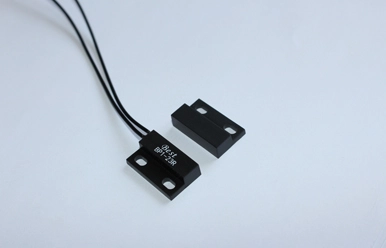
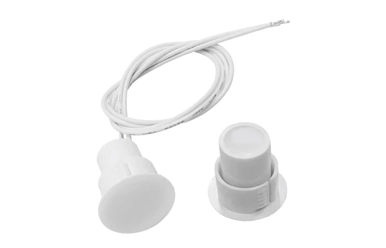
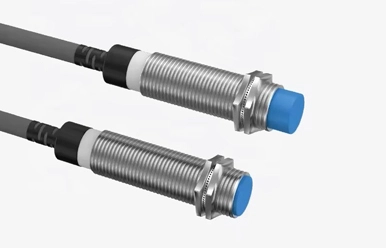
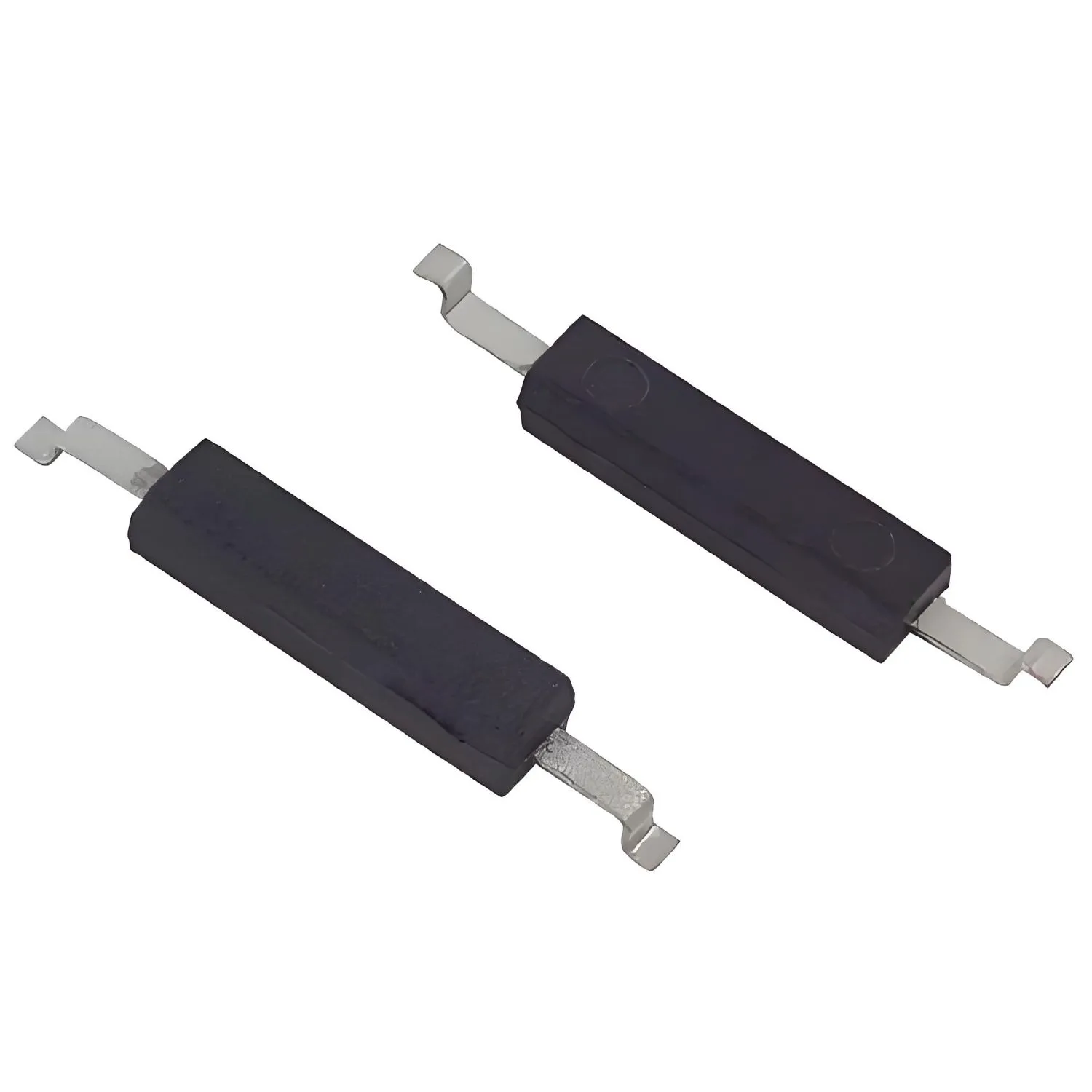
Reed sensors are widely used in applications where reliable, non-contact position or proximity detection is required. Thanks to their simple structure, long service life, and low power consumption, they are especially suitable for industrial and commercial environments.
Typical applications include:
Industrial Automation
Position detection, end-of-travel sensing, cylinder and actuator monitoring
Liquid Level and Flow Monitoring
Float-based level sensors, tank level detection, liquid presence sensing
Security and Safety Systems
Door and window sensors, access control systems, alarm and intrusion detection
Home Appliances
Lid detection, door status sensing, position feedback in appliances
Automotive and Transportation
Gear position sensing, pedal position detection, safety interlock systems
Medical and Laboratory Equipment
Cover detection, position feedback in diagnostic and analytical instruments
Reed sensors are particularly valued in applications where electrical isolation, high reliability, and resistance to dust or moisture are critical.
A reed sensor consists of a reed switch sealed inside a glass capsule, which contains two ferromagnetic contact blades. When exposed to a magnetic field generated by a permanent magnet, the contacts change state.
Working principle:
When no magnetic field is present, the reed contacts remain in their default state
(Normally Open or Normally Closed).
When a magnet approaches the sensor, the magnetic field causes the contacts to close or open, generating a switching signal.
When the magnet is removed, the contacts return to their original position.
Key advantages of reed sensors:
No mechanical wear (non-contact operation)
Fast response time
Low power consumption
High insulation resistance
Long electrical life
Compared with Hall effect sensors, reed sensors do not require a power supply and are ideal for simple, robust, and cost-effective sensing solutions.
When selecting a reed sensor, it is important to consider both application requirements and installation conditions.
Key selection factors include:
Contact Form:
Normally Open (NO), Normally Closed (NC), or SPDT
Mounting Style:
Rectangular, cylindrical, threaded, flange-mounted, or surface-mounted
Cable Exit Direction:
Side exit or bottom exit
Cable Length or Connector Type
Switching Distance and Magnet Type
Electrical Ratings:
Switching voltage, current, and power
Environmental Requirements:
Temperature range, IP rating, vibration resistance
BST Sensor provides a wide range of standard reed sensors, including rectangular, cylindrical, threaded, and customized designs. OEM and ODM services are available to meet specific customer requirements such as housing dimensions, cable length, connector type, and electrical performance.
Not sure which model is right for your application?Contact BST Sensor for professional selection support and customized solutions.
Read more reed sensor related blogs:
| What Is a Reed Sensor |
| How Does a Reed Switch Work |
| Reed Switch Vs Hall Effect Sensor |
| Reed Switch Reliability |
A reed switch sensor is usually a combination of reed switch and magnet. A reed switch is a pair of electrical contacts that contained within a hermetically sealed container, the contacts open and close in the presense of a magnet.
To choose a reed sensor, customers need to understand how a reed switch sensor operates using magnet interaction. Reed sensors work in one of four contact states.
Normally Open (Form A) – The normally open state is where the contacts rest in an open mode. The reed switch consumes no power in the open state.
Normally Closed (Form B) – A normally closed contact state refers to the switch contacts resting in a closed position.
Changeover (Form C) – Changeover occurs when a normally closed contact makes or opens before a normally open contact breaks or closes.
And there is one more contact state, Bistable (Form E) – this is a less frequently used but more advance mode, The methods used depends on the actual application. A permanent magnet is used to change the contact state by reversing the magnetic polarity.
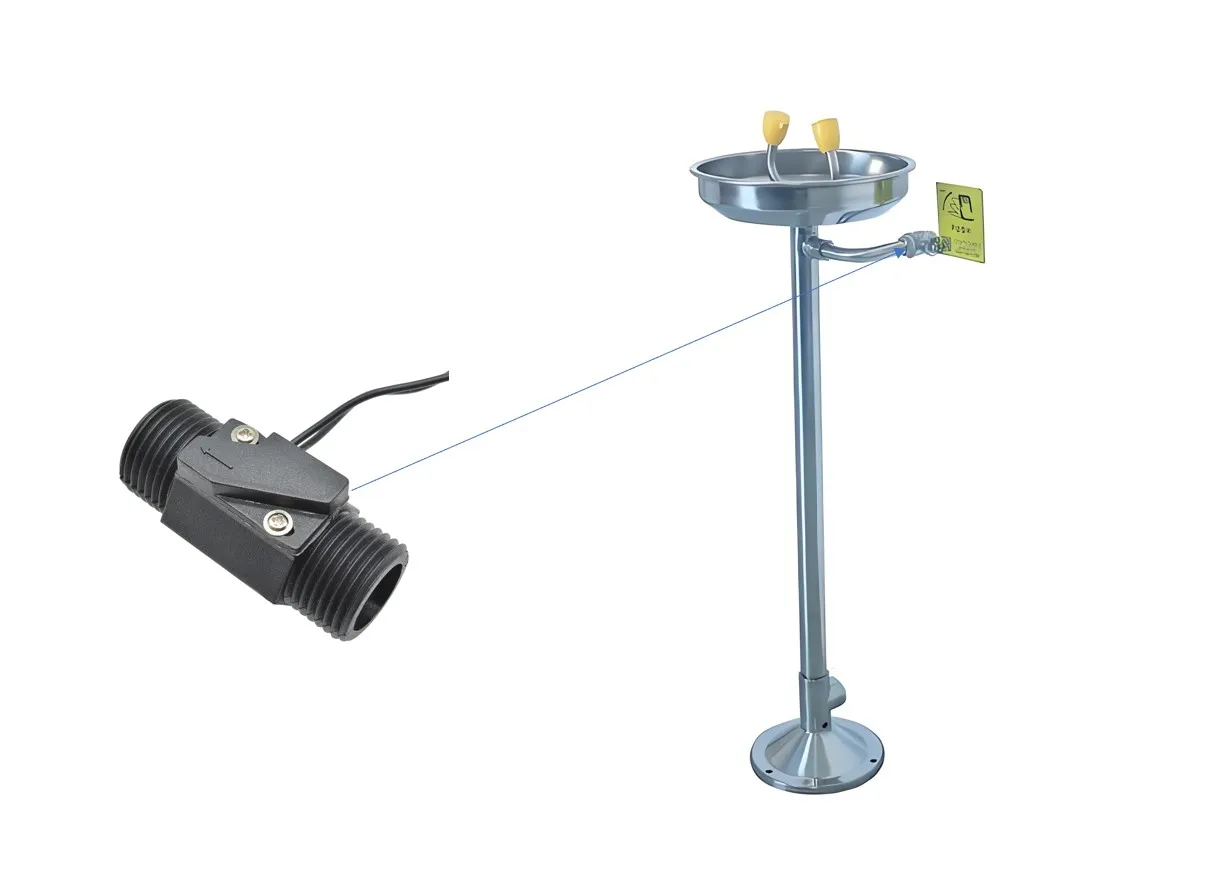
Reed sensors are widely used for proximity, water level, flow rate application, they are ideal for home appliance, automobile, industrial measurement according to customer's needs.