-

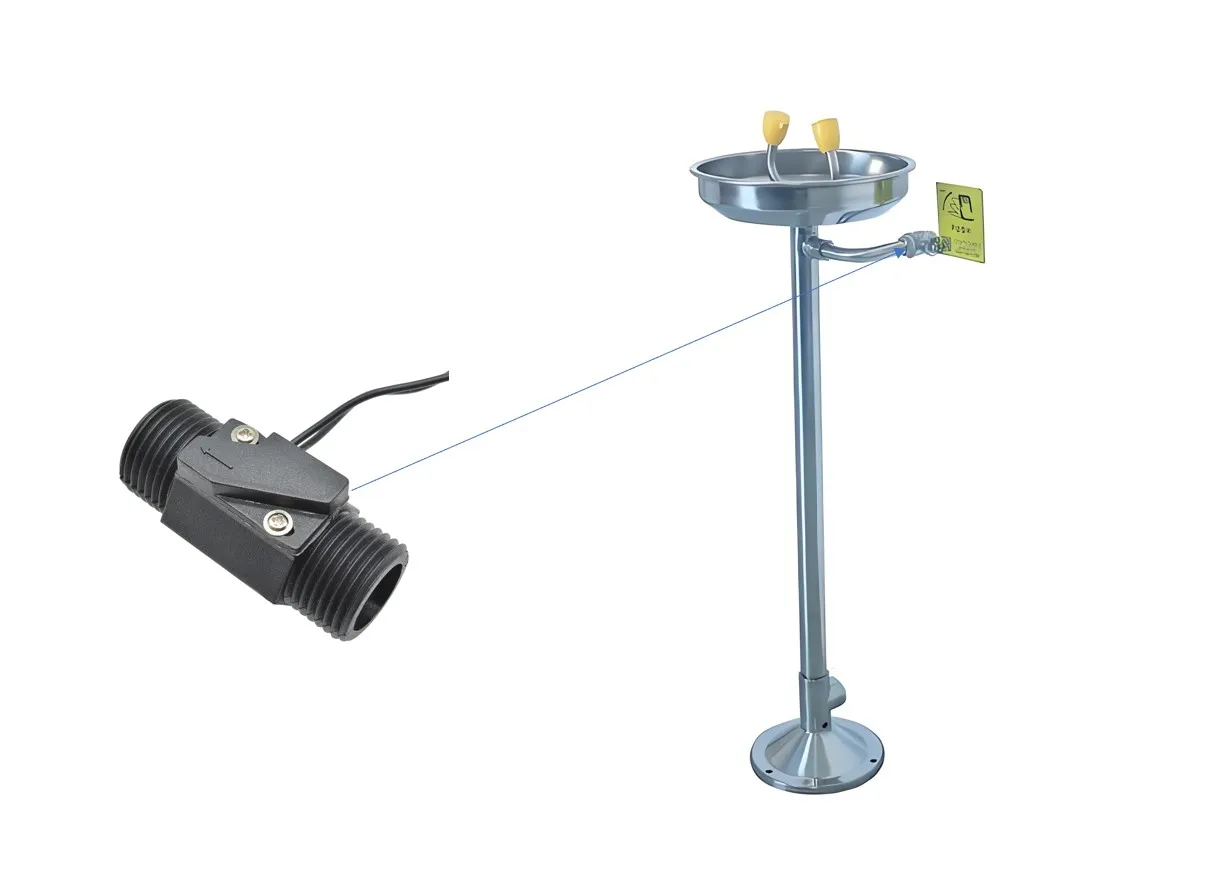
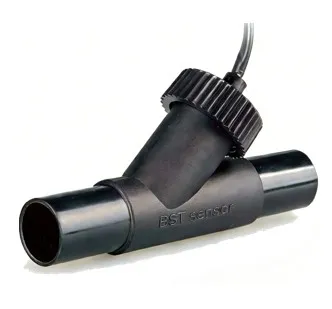
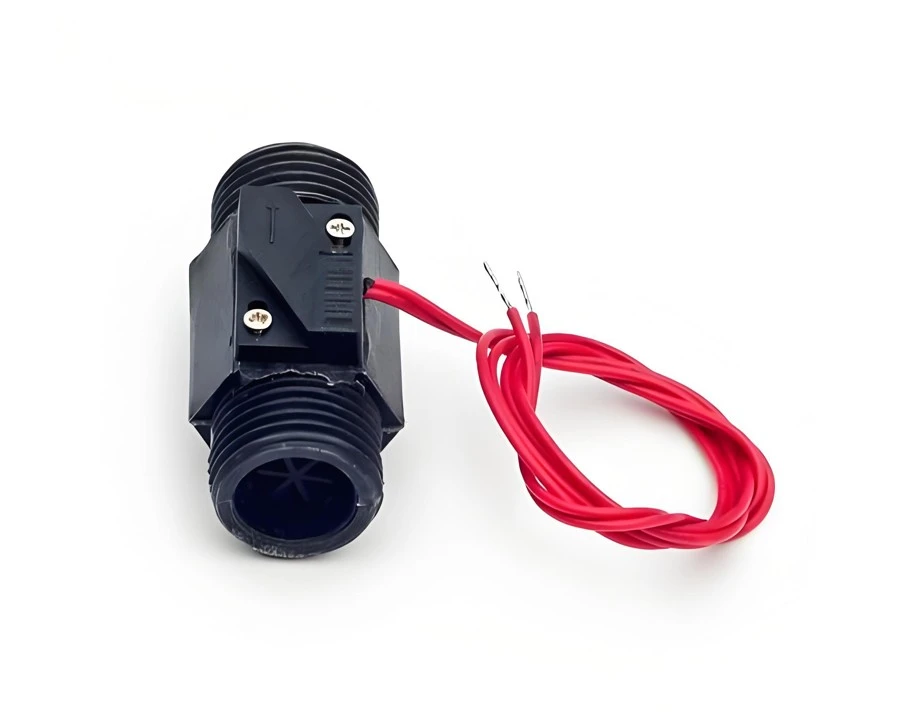
The flow switch is a reliable monitoring device that activates when a preset flow rate is reached. Featuring reed switch technology, it offers a cost-effective and precise solution for flow status detection with a simple binary on/off signal. Designed for both vertical and horizontal installations, it operates efficiently in water systems ranging from cold to hot (up to 100°C). With its versatility and robust performance, it's an ideal choice for applications across HVAC systems, cooling circuits, medical equipment, and welding processes.
Read more flow switch related blogs:
| Plastic Flow Switch Vs Stainless Steel Flow Switch |
| What Is a Flow Switch |
| Different Types of Flow Switches |
| Water Flow Sensors Working Principles and Applications |
The water flow switch is used to monitor the flow of fluid within an industrial process system. Automated industrial systems that process fluid media rely heavily on flow switches to ensure safe and optimal flow rates. Flow water switch responds to pre-set flow volume and perform two functions when the volume is reached: namely, closing its contacts and turning a specific piece of equipment ON, or opening its contacts and turning a specific piece of equipment OFF.
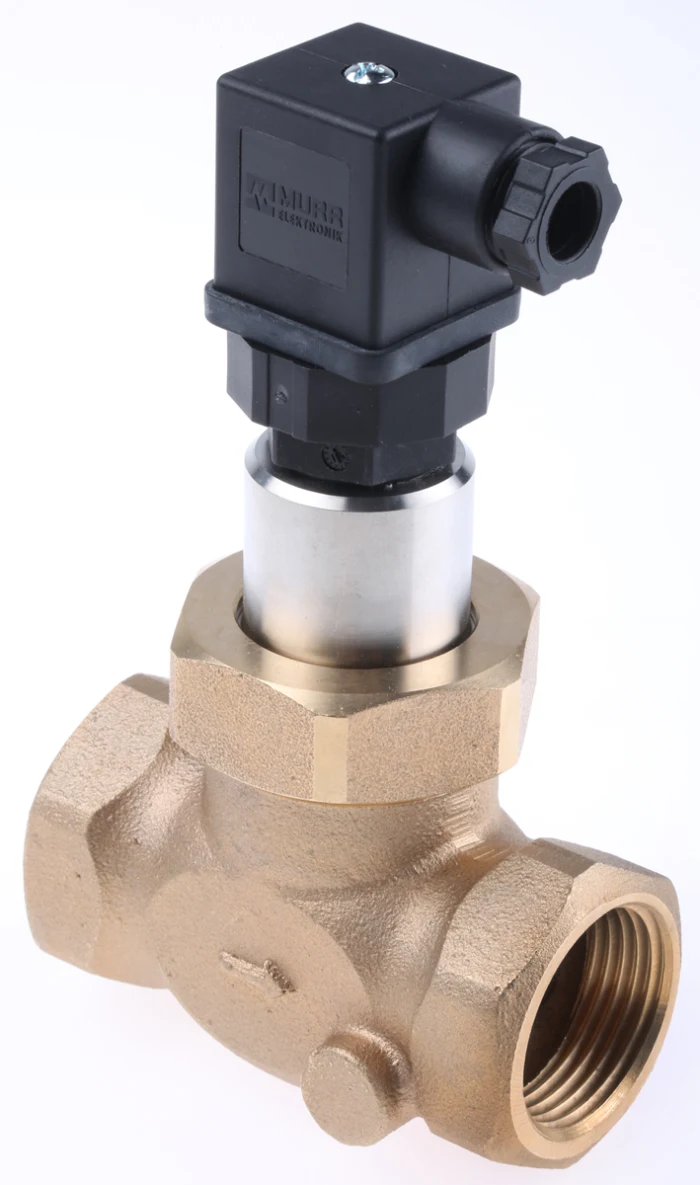
The core of a water flow switch is reed switch. Plastic flow switch housing is PP, POM or PA, metal flow switch housing is usually stainless steel or brass.